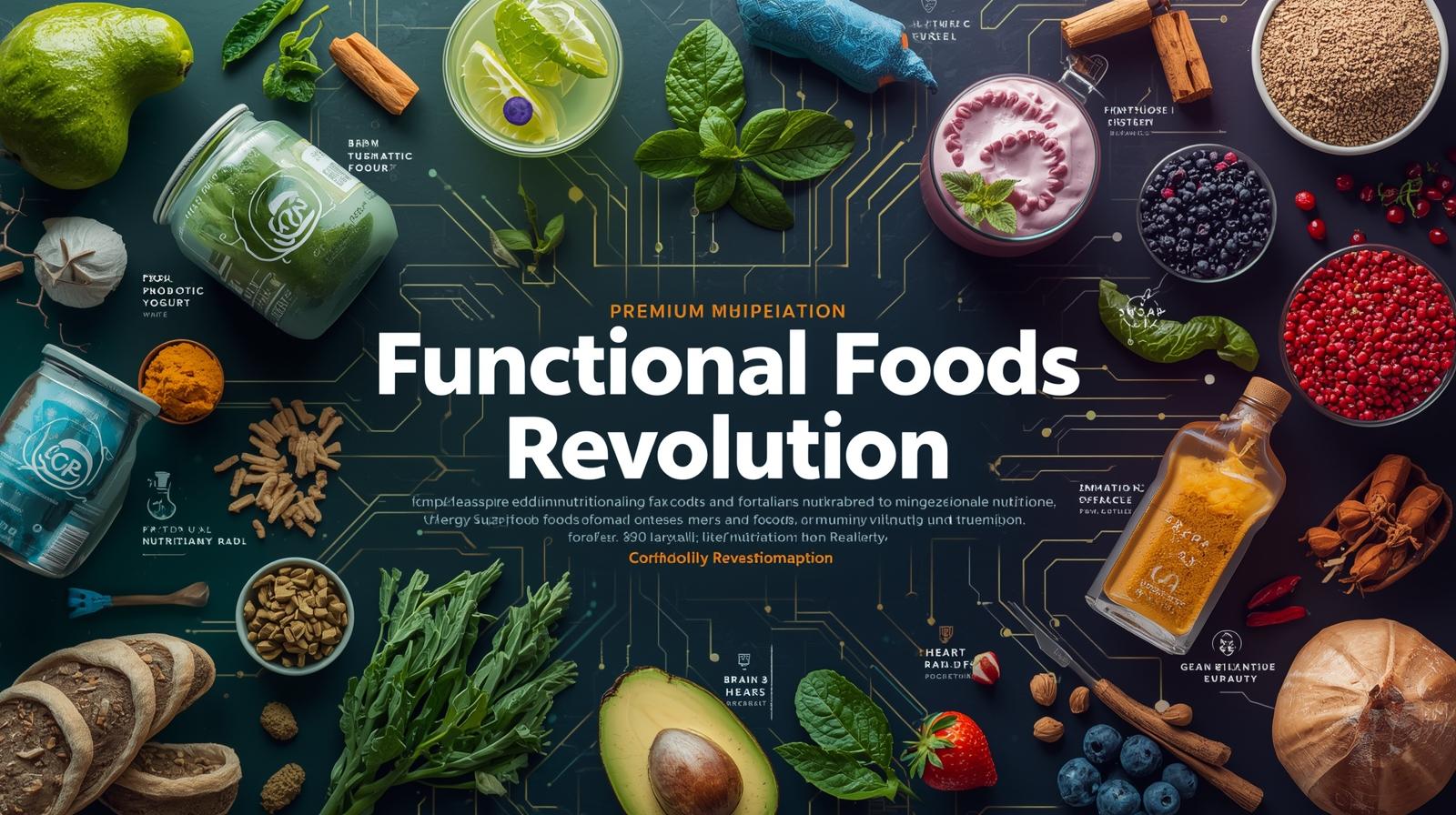
Introduction: The Transformation of Modern Eating Habits
Food has always been essential for survival, yet for most of human history, the purpose of eating revolved around taste, satiety, and cultural habits. Nutrition was rarely a deliberate decision. However, in the last fifteen years, dietary behavior has undergone a profound transformation.
Consumers no longer eat passively. They evaluate, compare, and question:
- What exactly is entering my body?
- Can this food protect my health?
- Will this meal contribute to immunity, cognition, or long-term vitality?
These questions mark the beginning of a global shift toward intentional eating, paving the way for the functional foods revolution — where food is not only nourishment but a biological tool engineered for measurable physiological benefits. In this paradigm, food competes with medicine, and diets are becoming active contributors to human health.
This transition has fueled the explosive adoption of nutrition-powered diets — a trend shaping the global food industry today.
What Are Functional Foods?
Functional foods are foods that provide health benefits beyond basic nutrition. Unlike conventional foods that simply satisfy hunger, functional foods contain bioactive compounds, probiotics, prebiotics, vitamins, minerals, antioxidants, omega-3 fatty acids, and other components that enhance specific functions of the human body.
Functional Foods Equation
Functional Foods = Nutrition + Added Biological Benefits + Scientific Validation
These foods are designed to:
- Strengthen immunity
- Improve metabolic regulation
- Support cardiovascular and cognitive health
- Enhance gut microbiome and digestion
- Reduce inflammation and oxidative stress
- Prevent or manage chronic diseases
Functional Food Categories
| Category | Function | Examples |
|---|---|---|
| Naturally Functional Foods | Naturally rich in bioactive compounds | Turmeric, green tea, berries, garlic, nuts |
| Fortified Foods | Added vitamins/minerals | Vitamin D milk, iron-fortified cereals, calcium-enriched juices |
| Probiotic & Prebiotic Foods | Enhance gut microbiome | Yogurt, kefir, kimchi, kombucha |
| Protein & Energy Foods | Promote muscle growth and stamina | Whey protein, protein bars, soy protein, plant-protein snacks |
| Plant-Based Alternatives | Dairy/meat replacements | Almond milk, tofu, jackfruit, pea protein products |
These categories demonstrate that functional foods are not niche — they span beverages, dairy, snacks, cereals, supplements, plant-based foods, and more.
Why Consumers Are Shifting Toward Functional Foods
1. Escalation of Lifestyle Diseases
Global increases in obesity, cardiovascular disease, diabetes, hormonal imbalance, digestive disorders, and non-communicable diseases have forced consumers to rethink eating habits. People now recognize:
Unhealthy food creates disease; functional food prevents it.
This awareness has accelerated the adoption of nutrition-powered diets and functional food categories designed for targeted health outcomes.
2. Pandemic-Induced Health Consciousness
COVID-19 permanently altered perceptions around immunity and nutrition. Instead of reacting to disease, consumers now seek preventive health strategies. Products offering immunity, microbiome support, or stress reduction became essential rather than optional.
3. The Convenience–Nutrition Demand
Modern consumers lead fast-paced lives with limited time for cooking. They want:
- Quick consumption
- Clean ingredients
- Balanced nutrition
Functional foods — RTD beverages, fortified snacks, probiotic drinks — provide fast, nutritious, and efficient eating solutions.
4. Scientific Validation of Traditional Nutrition
Ancient ingredients like turmeric, ginger, yogurt, and fermented foods long claimed health benefits. Today, these benefits are scientifically proven, transforming traditional wisdom into commercial opportunity.
5. Identity-Based Eating
Food today expresses identity:
- Vegan
- High-protein
- Gluten-free
- Lactose-intolerant
- Clean-label consumer
This micro-segmentation fuels demand for plant-based products, fortified foods, sugar-free alternatives, and functional beverages.
Market Data: A Multi-Billion Dollar Revolution
Functional foods are not a passing trend — they are a global megatrend.
- The functional foods market reached USD 373.39 billion in 2024 and is projected to surpass USD 671.99 billion by 2034, with a CAGR of 6.77 percent.
- The functional beverages segment alone is expected to grow from USD 260.2 billion (2024) to USD 618.8 billion (2034).
- Asia-Pacific leads the market with over 36% share, driven by rising incomes and health awareness.
- Probiotics, vitamins, minerals, and plant-based protein ingredients are among the fastest-growing product types.
This sustained demand proves that functional foods are transforming from optional enhancements to mainstream nutrition essentials.
Scientific Backing: Evidence Behind the Shift
Scientific studies confirm measurable benefits of functional food components, particularly in gut, metabolic, and immune health:
- Probiotics strengthen intestinal integrity, balance microbiota, and improve immune function.
(Frontiers in Microbiology, 2023) - Omega-3 fatty acids reduce inflammation, improve lipid metabolism, and support cardiovascular health.
(International Journal of Molecular Sciences, 2024) - Bioactive compounds such as polyphenols and antioxidants lower oxidative stress and chronic disease risk.
(Nutrition Journal, 2024)
These findings validate the strategic shift from reactive medical treatment to preventive nutrition.
Brand and Industry Examples
Major brands are shaping the global functional foods ecosystem:
- Yakult: Pioneered probiotic drinks for gut health
- Kellogg’s: Fortified cereal products focused on micronutrient deficiency
- Amul: Vitamin D and calcium-fortified dairy
- MuscleBlaze: Protein-based performance nutrition
- PepsiCo: Functional beverage innovation across global markets
These brands prove that functional food innovation is not theoretical — it is now a core business strategy.
The Future of Functional Foods
The next decade will redefine nutrition around:
- DNA-based personalized diets
- AI-recommended meal programs
- Neuro-functional foods supporting mood, sleep, focus
- Longevity-focused foods designed to reduce aging
Supermarkets will evolve into nutritional pharmacies, where food becomes an instrument of health optimization.
Conclusion
The consumer shift toward functional foods and nutrition-powered diets marks one of the most significant transformations in human dietary behavior. Driven by health awareness, scientific validation, lifestyle constraints, and economic scalability, functional foods are evolving from supplement to necessity.
The fundamental question today is no longer:
What did you eat?
but rather:
What did your food do for your body today?
Functional foods answer that question — and this is why they define the future of food.